Table of contents
Over the past decade, consumer preferences for breakfast cereals have significantly shifted, influenced by health and lifestyle trends. This article delves into how granola, muesli, porridges, and cereal flakes have evolved to meet consumer demands, reflecting a broader movement towards healthier, diverse breakfast options.
Evolving Taste for Breakfast Cereals
Over the past decade, consumer preferences in breakfast choices have significantly transformed, reflecting a broader trend toward health-conscious living and an increasing awareness of nutritional benefits. While traditional breakfast options remain popular, there is a growing interest in alternatives that align with wellness goals. Granola and muesli have gained attention for their natural ingredients and balanced nutrition. Packed with whole grains, nuts, and dried fruits, they offer a rich source of dietary fibre, essential minerals, and slow-releasing carbohydrates that provide sustained energy throughout the day.
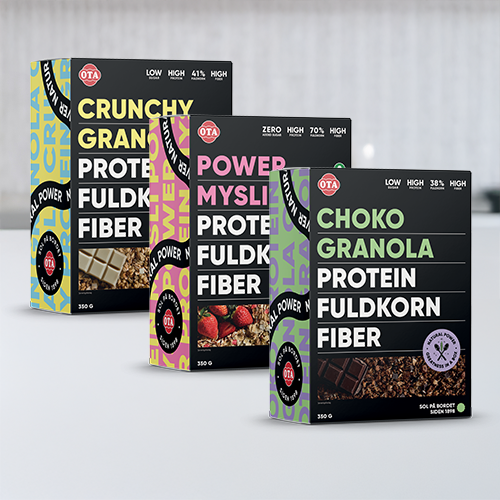
This shift has been driven partly by increased consumer interest in wholegrain products, which are proven to support heart health, improve digestion, and maintain stable blood sugar levels. Moreover, with the rise of clean eating and organic food movements, consumers are scrutinising labels and opting for products with ingredients they can recognise and trust. Consequently, brands have responded by innovating their cereal lines to include versions of granola and muesli that appeal to this evolving taste. These products are not only appealing in terms of health benefits but also offer diverse flavour profiles, ranging from rich chocolate blends to vibrant berry-infused mixes, thus satisfying both the need for nutrition and the pleasure of indulgence. The shift towards these natural and wholegrain breakfast options is more than a passing trend; it signifies a conscious effort by consumers to embrace healthier lifestyles, establishing granola and muesli as staples in the modern breakfast culture.
The Rise of Porridge Varieties
The rise of porridge in the world of breakfast cereals represents another notable shift in consumer preferences over the past decade. Traditionally considered a humble and straightforward meal, porridges have witnessed a renaissance, emerging as a diverse and healthful option that caters to modern palates and dietary needs. This renewed interest has seen the introduction of various porridge varieties, ranging from classic oatmeal to exciting blends featuring ancient grains, seeds, and even quinoa. These innovative products are rich in flavour and packed with nutritional benefits that make porridges an appealing choice for those seeking a wholesome and fulfilling start to their day. Consumers increasingly value these cereal options for their ability to be customised with fruits, nuts, and natural sweeteners, thus providing a high level of adaptability to suit individual tastes and dietary restrictions.
The appeal of porridges extends far beyond their versatility. They are celebrated for their high fibre content and low glycaemic index, making them an excellent choice for maintaining steady energy levels and promoting satiety. The demand for porridges that can be integrated into balanced diets increases as awareness of the health benefits of whole grain and unprocessed products grows. This trend aligns seamlessly with the broader consumer movement towards embracing cleaner and more nutritional food choices, prompting cereal brands to expand their portfolios with various porridge options. The once-simple bowl of porridge has transformed into a staple within the modern breakfast landscape, symbolising the evolution of consumer tastes and a commitment to healthier living.
Granola and Muesli: The Healthy Favourites
As the focus on healthy living continues to dominate consumer priorities, granola and muesli have emerged as the pinnacle of nutritious breakfast choices. Their rise to prominence is intricately linked to their wholesome and natural ingredients, which resonate deeply with modern dietary preferences. At the heart of their appeal is the use of whole grains such as oats, celebrated for their high fibre content and ability to promote digestive health. Combined with an assortment of nuts and seeds, these products provide a rich source of plant-based protein and essential omega-3 fatty acids, supporting heart health and sustaining energy levels throughout the day. Furthermore, incorporating dried fruits adds a naturally sweet touch, enhancing flavour while providing vital vitamins and antioxidants that bolster the immune system.
The allure of granola and muesli extends beyond their nutritional value to their adaptability. Consumers are increasingly drawn to products that allow for personalised concoctions, easily customised with additional ingredients like fresh fruits or yoghurt, ensuring a versatile and satisfying breakfast experience. This flexibility aligns perfectly with the clean eating movement, which champions transparency in food sourcing and a preference for organic components. Brands have responded by curating various flavour profiles within their granola and muesli products, catering to a wide audience seeking indulgence and health. Consequently, granola and muesli have firmly established themselves as staples in health-conscious households. They represent a conscious shift towards balanced eating and demonstrate an evolution in breakfast cereal preferences towards more thoughtful and nourishing options.
Cereal Flakes and Modern Twists
In the realm of evolving breakfast options, traditional flakes are experiencing a remarkable transformation, capturing the interest of modern consumers through innovative adaptations. These once-simple cereal options are now being revitalised with added flavours and ingredients, appealing to contemporary taste preferences and health-conscious lifestyles. Increasingly, brands are embracing creativity by infusing flakes with bursts of flavour achieved through daring combinations and natural enhancements. Picture flakes enriched with hints of cinnamon and honey, mingling with the zest of exotic spices, or those infused with the refreshingly tangy undertones of citrus fruits. By marrying traditional textures with these novel twists, these products invite consumers to rediscover the simple joy of a bowl of cereal, albeit with a modern flair that tantalises the palate.
Furthermore, these reinvented cereal offerings have seen the inclusion of nutritious additives that align with the wellness-centric focus of today’s diet trends. Increasingly, flakes boast the presence of wholegrain sources such as quinoa or chia seeds, amplifying their nutritional profile with essential omega-3 fatty acids and a bounty of fibre that caters to digestive health aficionados. Coupled with the infusion of delicacies like toasted almonds or sun-dried berries, these products offer a satisfying crunch and a subtle sweetness that requires no artificial sweeteners. The aesthetic appeal also resonates with consumers, as flakes present a visually delightful experience and a personalised one—enabling them to tailor their breakfast bowls with additional textures and toppings, such as fresh fruit or a burst of crisp nuts. By embracing these modern twists, traditional cereal flakes reaffirm their place in the breakfast arena, indulging consumer cravings with familiarity and an adventurous taste of the new.
Explore how consumer preferences for breakfast cereals like granola, muesli, and porridge have evolved in the past decade, reflecting health trends.