Table of contents
Packaging is crucial in shaping consumer purchase decisions, especially regarding breakfast products. From convenience and cost to sustainability and aesthetics, the type of packaging can significantly sway a buyer’s choice. Explore how different packaging styles impact consumer choices.
Consumer Psychology and Breakfast Packaging
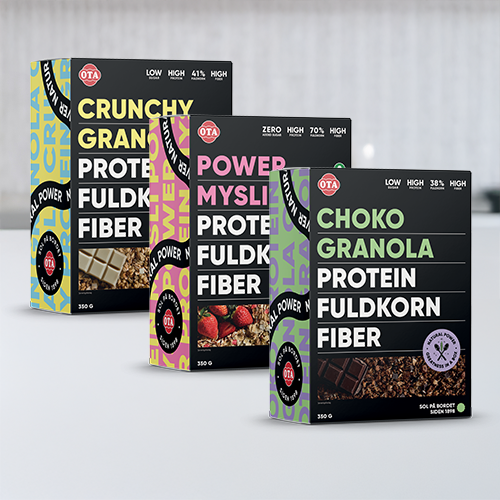
The realm of consumer psychology delves into how individuals make purchasing decisions, and in the arena of breakfast products, packaging plays a pivotal role. A cereal box, often acting as the face of the brand on grocery shelves, must captivate and convey sufficient allure to draw consumers in. Aesthetic appeal, from vibrant colours to playful mascots, is meticulously designed to trigger positive emotions and associations, influencing browsing habits and purchase decisions. Consumers are not only drawn to visually attractive packaging but are also swayed by the perceived functionality it offers. The Bag-in-Box concept, for example, offers practical advantages like maintaining freshness, ease of serving, and reducing spills, ticking the functionality box that discerning buyers look for. This synergy of aesthetics and practicality can determine why a shopper might choose one product over another, even if it is slightly more expensive.
Furthermore, the strategic placement of elements such as logos, nutritional information, and promotional offers on the packaging can subtly, yet significantly, impact how a consumer perceives the value of a product. A well-designed box that clearly communicates health benefits or premium ingredients can resonate strongly with consumers who are increasingly health-conscious, thus swaying their purchase decisions in favour of one brand over another. Additionally, the tactile experience of a package, be it the smooth finish of a cereal box or the sturdy feel of a Bag-in-Box, influences consumer interactions and perceptions before the product is even consumed. Understanding these nuances of consumer psychology allows brands to tailor their packaging strategies in a way that not only attracts attention but also fosters brand loyalty, making consumers more likely to repeat their purchases.
Sustainability in Breakfast Product Packaging
The modern consumer is increasingly aware of the environmental impact of their purchasing decisions, prompting brands to reconsider their packaging choices in the breakfast product market. The rise of the sustainability movement has brought to light the significant role packaging plays in addressing ecological concerns. The Stand up pouch has gained traction among competitive packaging solutions for its eco-friendly benefits and adaptability. This innovative packaging minimises environmental impact due to its reduced material usage and lighter weight, leading to lower transportation emissions, and appeals to the environmentally conscious consumer. Unlike traditional rigid packaging, a Premade Stand up pouch offers a flexible design that reduces storage space in retail environments and homes, further underscoring its versatility. Such factors significantly enhance the product’s market appeal by resonating with a growing demographic that values sustainability just as much as product quality and convenience.
Adopting sustainable packaging like the Premade Stand up pouch indicates a brand’s commitment to environmental responsibility and aligns with consumer trends prioritising eco-conscious choices. These pouches’ visual and tactile appeal, often sporting recyclable or biodegradable materials, adds another layer of attraction for the discerning buyer seeking style and sustainability. Furthermore, the transparency often incorporated in a Stand up pouch design allows consumers to see the product’s quality firsthand, fostering trust and enhancing brand credibility. This commitment to sustainability and an eye-catching design can create a powerful differentiator in a crowded marketplace, steering consumer choices towards brands that demonstrate a genuine dedication to reducing their environmental footprint. As sustainability becomes an essential element of consumer considerations, the strategic use of the Stand up pouch emerges not just as a packaging choice but as a core component of a brand’s value proposition.
Convenience Factors in Packaging Design
The role of convenience in packaging design cannot be overstated, especially in the competitive breakfast products market, where shopper preferences and buying behaviour are heavily influenced by how easy it is to use and store a product. Packaging options like the Pillow Bag, Pot, and Top Cup create a strong appeal for consumers constantly seeking ways to streamline their morning routines. The Pillow Bag, with its lightweight and compact nature, is particularly attractive for households that value minimalism in their kitchens. Its space-efficient design makes it ideal for small pantries, offering the practical advantage of easy pouring and resealing. Such convenience resonates with a breakfast-buying public eager to simplify storage and reduce prep time without sacrificing product freshness.
Similarly, innovations like the Pot and Top Cup cater to the grab-and-go lifestyle of many modern consumers. The Pot design is typically self-contained, often integrating multiple components such as cereals and a separate compartment for add-ins or milk. It is perfect for those eating on the office commute or at work. The Top Cup, often employed for yoghurt and similar items, enhances convenience by incorporating a compartment for toppings, facilitating a seamless meal assembly with no additional dishes required. This user-friendliness meets and often exceeds consumer expectations for convenience, encouraging repeated purchases. As these packaging designs continue to evolve, they will remain a cornerstone of breakfast product marketing strategies, enabling brands to capture the loyalty of time-pressed and quality-conscious shoppers.
Cost Implications of Packaging Choices
When evaluating the cost implications of packaging choices in the breakfast product market, brands must consider how options like the Big Bag and combined Box and Bag solutions can influence consumer perceptions and purchasing decisions. The Big Bag approach often allows for larger volumes of products to be offered at potentially lower cost per unit, appealing to value-conscious consumers who prioritise economical purchasing. This packaging type is particularly enticing for families or households that consume significant quantities of a product, as it suggests a better overall deal without compromising on the quantity delivered. However, the sheer size of a Big Bag can sometimes be perceived as cumbersome, requiring sufficient storage space and careful handling to retain freshness, which can influence buyer preferences, especially in smaller households or those prioritising convenience.
Conversely, the Box and Bag combination typically supports brands in delivering a balance between aesthetic appeal and functional advantages, albeit potentially at a higher cost. The outer box provides a platform for branding and essential communication and protects the more fragile inner bag, which can help maintain product integrity and freshness. This packaging solution often carries a premium due to its dual nature, which can be reflected in the product price but may be justified by enhanced consumer experiences such as improved ease of use and perceived quality. As breakfast product manufacturers weigh these options, aligning the packaging strategy with the target demographic’s expectations is crucial. While the packaging choice supports brand values and meets consumer needs, it also reflects a sensible balance between presentation, sustainability, and cost.
Brand Differentiation Through Packaging
In the fiercely competitive breakfast market, unique packaging is vital for companies seeking brand differentiation. By crafting packaging that stands out on crowded shelves, brands can carve a distinct identity and attract consumer attention. Innovative designs enhance visual appeal and communicate brand values, creating an emotional connection with the consumer. Clever use of shapes, materials, and interactive elements can transform a package from a mere container into an engaging experience, fostering a sense of curiosity and engagement. This approach is crucial for brands aiming to make their mark and cultivate a loyal customer base.
Beyond aesthetics, unique packaging plays an integral role in building customer loyalty. Functional innovations, such as resealable features or eco-friendly materials, can enhance the user experience, making the product more convenient and appealing. As consumers increasingly prioritise sustainability, brands that integrate green packaging solutions bolster their reputation for environmental responsibility, further solidifying customer allegiance. Successfully implementing these strategies elevates brand perception and reinforces consumer trust, securing repeat purchases and ensuring long-term success in the breakfast product sector.
#desc
Discover how packaging types like Boxes, Stand up pouches, and Pillow bags influence breakfast product purchase decisions.