Table of contents
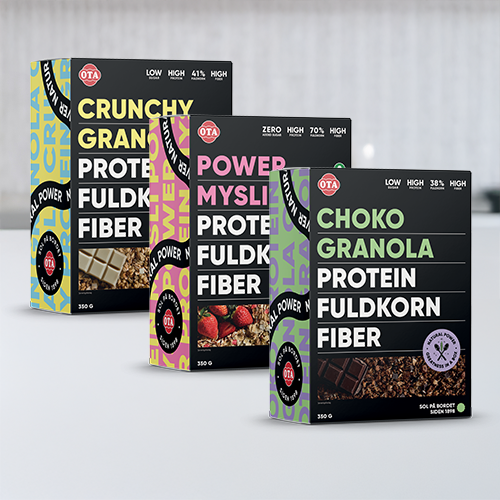
Parents today are choosing healthier foods for their children, and organic options are becoming more popular. Products like organic cereal, organic granola, and organic muesli offer natural ingredients without artificial additives. This shift is changing the food market in practical ways.
Why Organic Ingredients Are Important
Organic ingredients are grown without synthetic pesticides, artificial additives, or GMOs, making them safer for children. Parents value this to avoid exposing their kids to chemicals or overly processed foods. Choosing products like organic cereal or organic granola gives families confidence that they are feeding their children clean and wholesome meals.
Organic products also ensure better quality. The focus is on natural farming methods, which preserve nutrients in the food. For example:
- Organic cereal is rich in fibre and often fortified with vitamins.
- Organic granola offers healthy fats from seeds and nuts.
This commitment to purity is one of the reasons organic foods are preferred by parents looking to improve their children’s diets.
Organic Breakfast Options Are Expanding
Breakfast is crucial to a child’s day, and organic breakfast options are becoming more diverse. Products like organic muesli and organic buckwheat flakes are excellent alternatives to sugary cereals. They provide essential nutrients like fibre, protein, and vitamins without unnecessary additives.
Organic muesli is especially versatile. It can be enjoyed with milk, yoghurt, or fresh fruit, making it a convenient and healthy choice. Organic buckwheat flakes, on the other hand, are naturally gluten-free and full of antioxidants, making them suitable for families with dietary restrictions.
Key reasons consumers love organic breakfast items include:
- Better nutritional value compared to traditional cereals.
- Fewer artificial flavours, colours, and preservatives.
- Support for healthier eating habits in children.
This variety helps families make better breakfast choices that fuel their kids for the day ahead.
Organic Foods Help with Dietary Needs
For consumers with allergies or intolerances, organic foods are a reliable choice. Products like organic buckwheat flakes are naturally gluten-free, making them suitable for gluten-sensitive kids. Similarly, nut-free organic granola is a safe option for families avoiding common allergens.
Parents also find it easier to manage their child’s nutrition with organic foods. Clear labelling ensures they know exactly what is in the product.
Here’s how organic foods simplify meal planning:
- They offer allergen-free options, like organic buckwheat flakes, for gluten-free diets.
- They reduce the risk of reactions caused by artificial additives.
- They cater to a range of preferences, from vegetarian to vegan.
These benefits make organic foods practical for families navigating complex dietary restrictions.
Organic Products Save Time for Parents
Busy parents often look for quick and easy meals, and organic products fit perfectly into this lifestyle. Ready-to-eat options like organic cereal or pre-portioned organic granola provide balanced nutrition in minutes. This convenience is a major reason more families are turning to organic foods.
Pre-packaged organic items are not just quick but also versatile. Organic granola, for instance, can double as a snack or be added to yoghurt for a healthy dessert. Similarly, organic muesli can be prepared the night before as overnight oats, saving parents time in the morning.
Advantages of organic convenience foods include:
- Time-saving preparation.
- Balanced nutrition in easy-to-use formats.
- A range of choices for different meals or snacks.
These features make it easier for families to incorporate healthy eating into their daily routines without extra effort.
Organic Snacks Are Gaining Popularity
Snacks are a big part of children’s diets, and organic snacks are becoming a go-to choice. Products like organic granola bars and bite-sized portions of organic muesli are popular because they combine nutrition and taste. Parents appreciate these options for lunchboxes or after-school snacks.
These snacks are designed to be nutritious without compromising on flavour. They often include ingredients like dried fruits, seeds, and whole grains, which provide natural energy. Organic granola bars, for instance, are high in fibre and low in added sugar, making them a much better option than traditional packaged snacks.
Why organic snacks are a great choice:
- They offer healthy alternatives to processed snacks.
- They are portable and convenient for busy families.
- They provide energy for active kids.
This trend is helping parents replace unhealthy snacking habits with better options for their children.
Transparency Builds Trust with Parents
Parents are more informed than ever and expect transparency from food brands. They want to know where ingredients come from and how products like organic muesli or organic buckwheat flakes are made. Clear labelling that highlights organic certifications gives them confidence in their choices.
Transparency also makes it easier for parents to compare products. Labels on organic foods often include details about the farming methods used, allergen information, and nutritional value. This level of detail reassures parents that they make the best decisions for their kids.
Key elements of transparency include:
- Organic certifications on packaging.
- Clear ingredient lists with no hidden additives.
- Information about sourcing and production practices.
When brands focus on transparency, they build lasting trust with health-conscious families.